Table Of Content

We highly recommend connecting this display to one of your computer’s USB ports to use its USB-A ports as a hub for an external hard drive or other necessary peripheral. Matthew S. Smith is a freelance technology journalist with 15 years of experience reviewing consumer electronics. In addition to PCWorld, his work can be found on Wired, Ars Technica, Digital Trends, Reviewed, IGN, and Lifewire. Matthew also covers AI and the metaverse for IEEE Spectrum and runs Computer Gaming Yesterday, a YouTube channel devoted to PC gaming history.
What is the best monitor for graphic design?
It is recommended to get a monitor with multiple connections or ports so that you can plug in all your devices. The screen size really matters, especially when you work on big, complex artworks with lots of details. Choosing the right monitor can make a huge difference in terms of your creative workflow, productivity, and overall satisfaction with your work. If you’re looking for a premium model, you could go for the ASUS ProArt. You can also be sure that you won’t need to worry about annoying flickers on this quality monitor. It also has flicker-free and low Blue Light technologies to protect your eyes as you work.
Brand Designer
This particular model has a 32-inch screen, which is nice and large so that you don’t have to lean in and squint to see the fine details you’re working on. And if that’s not enough screen real estate for you, it has Thunderbolt 3 compatibility that allows you to daisy chain two additional 4K monitors. On top of that, with GamutDuo mode, you can compare how the same image looks in two different colour spaces and compare, for example, AdobeRGB vs. sRGB. If you also work with video, you should know that it supports HDR10 and HLG formats, so you can appreciate lights and colours in their full dynamic range. 4K monitors have more pixels than 1440p monitors, so you’ll get clearer and crisper images.
The 5 best-selling monitors of 2024 that are great for graphic designers
With height, pivot, and tilt adjustable stand, you can customize your setup for ultimate comfort, keeping you in the creative zone for longer. And if your work entails juggling multiple devices, this LG monitor has got you. Its USB Type-C connectivity not only declutters your workspace but also enables 4K video display, data transfer, and laptop or mobile device charging, all with a single cable.
For most of the graphic designer casual works, a dE of less than three works pretty well. For beginners, Full HD (1920 x 1080) resolution is a good start, but when the monitor becomes your working tool, we would recommend you go for 4K UHD (3840 x 2160). This resolution is pretty good for any graphic designers and video editors. If the cost is not a concern for you, and you want to invest in the highest possible resolution monitor, there are 5K (5120 x 2880) and even 8K (7680 × 4320) options in the market. Each panel is pre-calibrated, offering Delta-E values of less than two out of the box. ViewSonic even includes a report with each panel showing its coverage in sRGB, EBU, and Rec 709 color spaces.
Easy Photo Editors For Photo Processing That Do Not Require Photoshop Knowledge
Philips 288E2E boasts a 4K UHD resolution or 840 x 2160 pixels, allowing you to work on the tiniest details of an image. Lastly, Its adjustable stand and portable design offer versatility in positioning and setup, catering to the ergonomic needs of designers. Here's my list of the top 9 best monitors for designers to buy in 2023. First, you need to think about what kind of graphic design work you will use this monitor for. As years pass by, there are so many options available on the market that it is hard to decide which one is best for your graphic design needs. If you notice, in terms of panel and colour reproduction, it is very similar to the Dell UltraSharp U2723QE (reviewed above), and it costs about half as much, which makes it very attractive.
ASUS ROG Strix XG438Q
The Best Curved Monitors for 2024 - PCMag AU
The Best Curved Monitors for 2024.
Posted: Thu, 11 Apr 2024 07:00:00 GMT [source]
It supports the most in-demand color gamuts, most notably Adobe which will put out true color depictions on a 32” 4K panel that really does pop. Its three display modes ensure true blacks instead of the dark greys we’re used to seeing with most monitors. This is also the best monitor to use alongside Adobe products with its 99% Adobe RGB. Colors will be as lifelike as currently possible thanks to how agile this monitor is thanks to its support for CMYK, a color space championed by print graphic designers.
If you would prefer to make your own decision, here is the list of all of our monitor reviews. Most monitors are good enough to please most people, and the things we fault monitors on are often not noticeable unless you really look for them. Rob is the Deputy Editor at TechRadar Gaming, and a writer on games, gaming hardware, and tech, and also gardens and landscapes. He has been in the gaming and tech media industry for more than six years with bylines at the likes of Eurogamer, PCGamer, RockPaperShotgun, GamesRadar+, and more.
What it means, in reality, is that it supports specific levels of color and brightness that exceed the capabilities of ordinary monitors. This monitor offers wide-color-gamut performance, automatic calibration, and OLED technology. Though the colors are accurate, the lack of brightness will result in less punchy colors, especially in brighter rooms. If you like to work in a room with quite a bit of ambient light, this screen may not cut it. But you don’t need to spend unnecessarily on monitors with features, colour accuracy levels or display resolutions that you may not need. DCI-P3 is the standard colour space in digital film projection from the North American industry.
Though curved screens do take some getting used to, they are ideal for ultra-wide monitors because of their improved viewing angles and reduced distortion. Samsung says the curve of this monitor matches that of the human eye. That should reduce eye strain and allow you to see more without swiveling your head around. Graphic designers need to have high standards for their monitors in order to produce quality work. Like many OLED monitors, the UltraGear struggles a bit with brightness, especially in well-lit rooms. With a peak brightness of 206 nits across the full display (or 800 nits in HDR mode, but only in specific areas).
In addition, despite its low price, it supports HDR (High Dynamic Range), with VESA DisplayHDR 400 certification. If you play video games from time to time, this is not a gaming monitor, but it also has AMD FreeSync™ technology, so it reduces the possibility of flickering and image tearing. You should also consider the type of monitor, the features, resolution, size, resolution, screen size, color accuracy, connections, ergonomics, and your budget. In a nutshell, the Apple 32-inch Pro Display XDR is a fantastic investment for graphic designers who like to view their creations on wide angles.
As a designer, you need the highest resolution possible to see the tiniest details clearly without any pixelation. Screen size may not be the number one factor for some designers, but believe me, it actually matters. If you're looking to choose the best monitor for designers—check out my quick guide to help you make up your mind. If in your day to day you do not use the Adobe RGB space or the DCI-P3, it is not worth investing in a monitor that costs 3 or 4 times more.
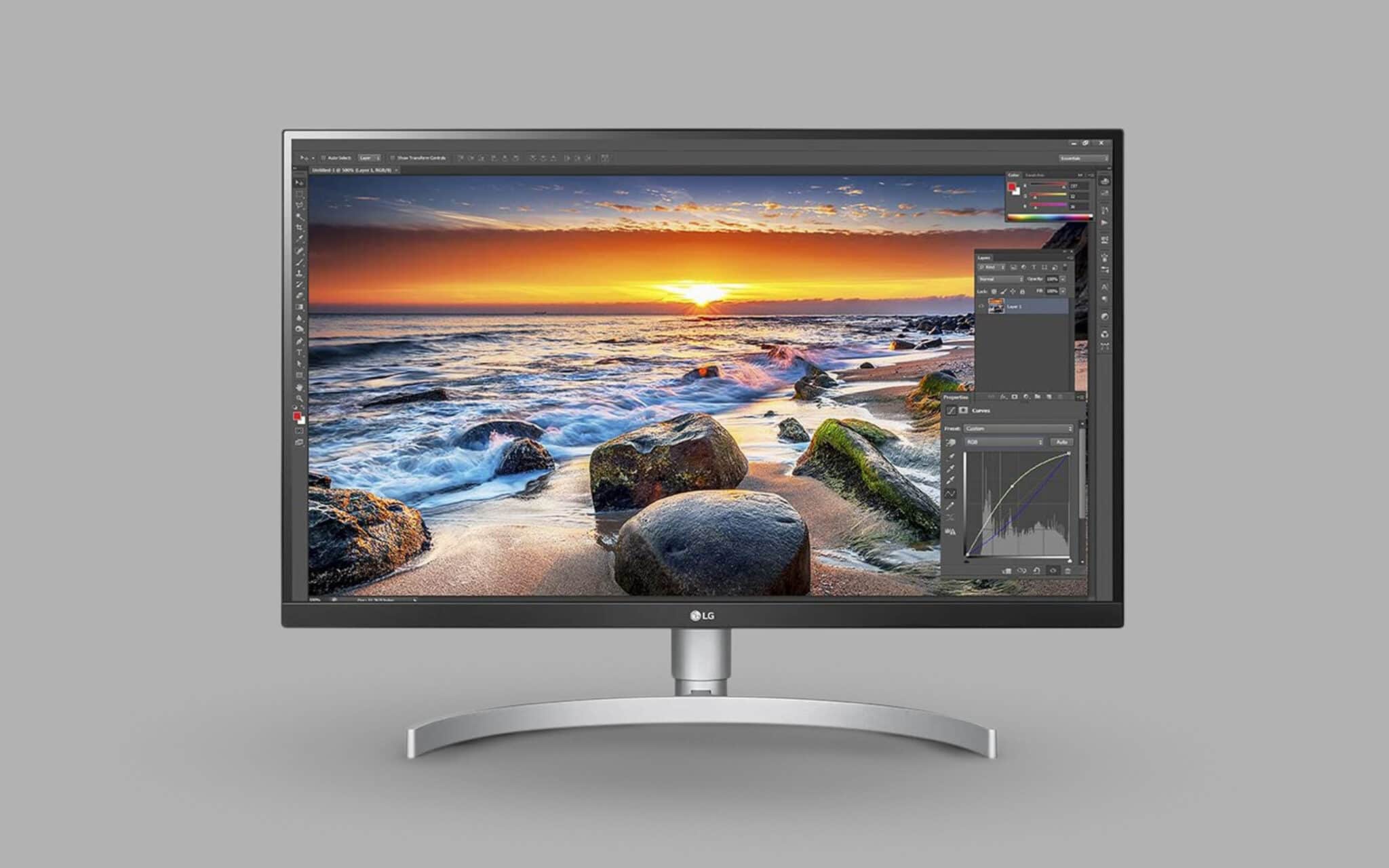
It also supports HDR, allowing you to view and work with images or videos with a wide dynamic range. LG 27UL850 IPS display provides a 4K Ultra High Definition High Dynamic Range image and delivers a peak luminance of 400 nits for highlights, which is quite good display quality for a graphic monitor. And 99% coverage of the sRGB spectrum is a great feature for photo editing, digital design, or web design. If you are looking for high color fidelity while staying on budget, this is the best monitor. There are three main display types nowadays, LCD (liquid crystal display), LED (light-emitting diode), and OLED(organic light-emitting diode). Cutting to the chase, LED and LCD screens use a backlight to illuminate their pixels, while OLED monitor pixels emit their own light.
We’ve gone in-depth with each review, listing all relevant specs and information you might need. We’ve also included a handy buyer’s guide at the end of the article to help you understand some of the more confusing tech used in the latest models of computer monitors. Just note that some creatives feel that a curved screen can distort the appearance of their work. It's a subjective thing, but you might want to test the experience to check how it work for you.
No more messy wires, plugs, and device switching before online meetings. This model also provides a flexible workstation with an adjustable stand and an easy VESA-compatible wall-mount setup. So you can create a comfortable environment for optimal performance.
With the ability to tilt, swivel, pivot, and adjust the height of your monitor to fit your needs, you can stay comfortable during your work all day. And for those always striving for more desk space, the base of the monitor is really compact, or you can mount it to the wall and save even more space. It also has 10bit capability that lets you drive the Monitor at higher bit depths, given your other Hard- and Software supports this. Because of its size, you can easily get away with just one of these for your work-place, and can even sit further away from it.


No comments:
Post a Comment